

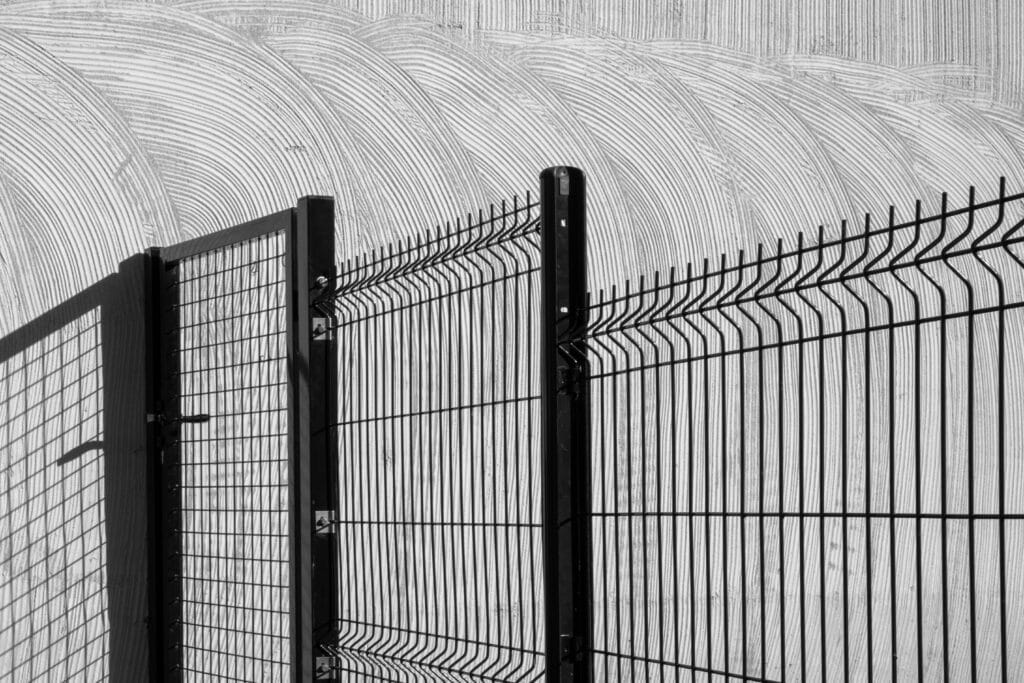
A high-security fence makes unauthorized entry difficult, but the fence can’t tell you if someone is trying to breach it. At facilities where early detection can be make-or-break, this creates a potential security gap. To bridge this gap, perimeter intrusion detection systems (PIDS) identify suspicious activity along the fence line or in the designated security zone.
What is a Perimeter Intrusion Detection System (PIDS)?
A perimeter intrusion detection system (PIDS) is a network of sensors and monitors designed to detect potential unauthorized entry into a secured area. Depending on the system and where it is used, it can identify movement near property boundaries and vibrations in the fence.
A PIDS adds a detection layer to perimeter security on top of a physical obstacle like a fence. The fence creates a physical barrier between intruders and sensitive areas or information, making it harder to access. Detection technology provides an alert when activity around the fence line or in a secured area suggests that someone is trying to get in, allowing security teams to respond to potential threats before an intruder reaches sensitive areas. This approach is commonly described as deter, detect, delay, and respond. The fence contributes to deterrence and delay, while the detection system identifies potential threats, allowing the security team to respond promptly.
Types of Perimeter Intrusion Detection Systems
There are several types of perimeter intrusion detection systems, each designed to recognize different forms of activity.
Fence-Mounted Vibration Sensors
Fence-mounted vibration sensors detect vibrations and movement on and near the fence that may indicate someone trying to climb, cut, or otherwise disturb the security fence. When the fence moves, the sensors transmit information to a control unit that evaluates the activity against pre-configured detection parameters. This kind of PIDS is best suited for commercial chain-link and welded-mesh fencing that is properly installed.
Fiber-Optic Detection Systems
Fiber-optic perimeter intrusion detection systems use specialized optical sensing technology to identify disturbances along a cable. Depending on the system’s design, the cable can be mounted to a fence or installed underground. In distributed fiber-optic systems, disturbances change the characteristics of light traveling through the fiber. The processing equipment analyzes these changes to identify potential intrusion activity, then notifies security teams.
Microwave Detection Systems
Microwave detection systems establish a monitored zone using electromagnetic signals. Unlike other sensors, microwave systems do not necessarily require physical contact with a barrier, so they can monitor areas near a fence or on an approach to a secure facility. These detection systems work best when the detection zone can be maintained without significant interference, such as overgrown vegetation, uneven terrain, and moving equipment.
Buried Cable Detection Systems
Buried cable detection systems identify movement in the ground near a protected boundary using either pressure-sensitive, seismic, or electromagnetic sensing methods. Since the cable is buried underground, it offers more discreet perimeter protection without changing the appearance of a fence.
Video Analytics
Video analytics uses software to analyze camera footage for activity that meets predefined detection criteria. Modern systems use analytical tools to distinguish between different types of movement, allowing security teams to prioritize relevant activity instead of reviewing every motion event as a potential threat.
False Alarms in Perimeter Intrusion Detection Systems
False and nuisance alarms are among the most important considerations when picking a PIDS. A detection system that sends excessive alerts becomes burdensome for security personnel and makes it harder to detect legitimate threats.
Environmental conditions, like strong winds or heavy rain, are a common source of unwanted alarms. Wildlife can also set off alerts as they move along fence lines or cross boundaries. Fortunately, many modern detection systems include adjustable sensitivity settings and signal processing to help manage nuisance alarms. However, settings must be chosen carefully, as a system that is configured to ignore too much activity may miss genuine intrusion attempts.
Where are Perimeter Intrusion Detection Systems Most Useful?
Perimeter intrusion detection systems are particularly valuable at facilities where unauthorized entry could lead to significant risks.
Critical Infrastructure and Utility Facilities
Infrastructure facilities often contain equipment that is essential to maintaining public services, so unauthorized access can create serious safety hazards and potentially interrupt operations. A PIDS can provide early notification of activity along these facilities’ security perimeters. For remote or lightly staffed sites, detection technology may be especially useful when alarms are connected to a properly managed security response process.
Data Centers
Data centers depend on tightly controlled physical security to protect critical equipment and support reliable operations. Their perimeter protection requirements may extend well beyond the building itself. Fence-mounted sensors can help identify unauthorized approaches or attempted breaches before someone reaches the facility.
High-Value Industrial and Commercial Properties
Manufacturing facilities, distribution centers, equipment storage yards, and other high-value properties may benefit from perimeter detection where theft, vandalism, or unauthorized entry presents a substantial risk. At these sites, the appropriate solution depends on the facility’s layout and daily operations. A large storage yard may benefit from fence-mounted sensors covering its outer boundary, while a manufacturing plant with substantial vehicle traffic may require more carefully defined detection zones to avoid unnecessary alarms.
Build a Stronger Security Perimeter with DK Security Solutions
Perimeter intrusion detection adds an important layer to physical security, but its performance depends on site-specific calibration and the surrounding infrastructure. A well-built fence provides the foundation for reliable perimeter protection, while properly selected detection technology identifies potential breaches before they escalate.
DK Security Solutions specializes in commercial and industrial security fencing and perimeter infrastructure for facilities nationwide. Our team can evaluate your existing systems and help you plan security improvements that support your broader detection and access control requirements.
Contact DK Security Solutions to schedule a free consultation and discuss the right perimeter security approach for your facility.