

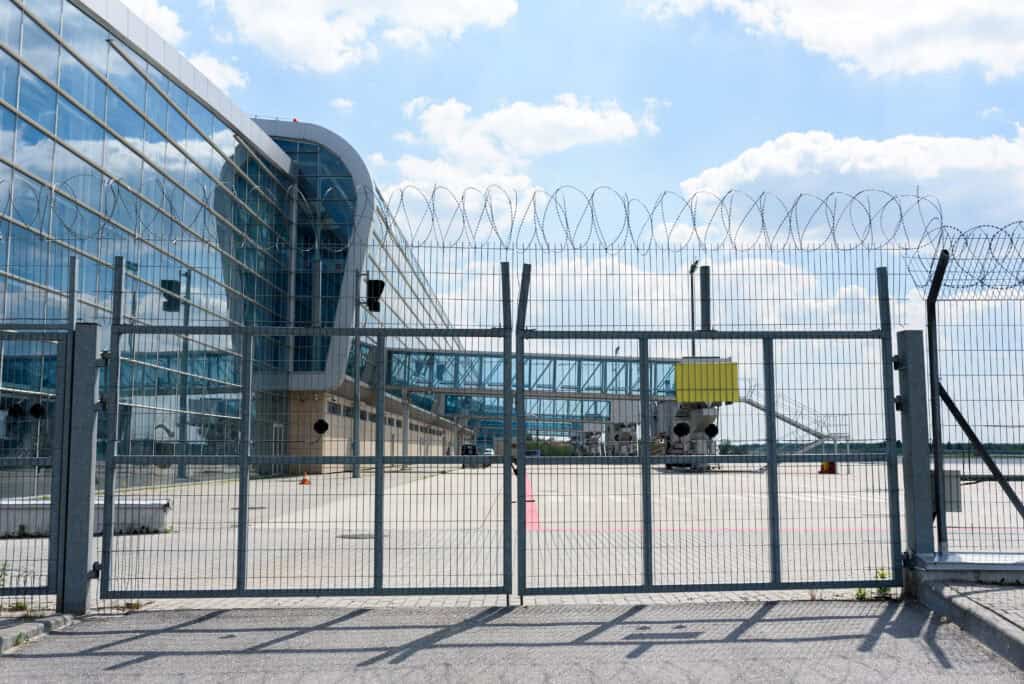
An automated security gate is one of the hardest-working pieces of equipment on a commercial property, cycling open and closed dozens or even hundreds of times a day under all kinds of weather conditions. Like any mechanical system that sees that kind of use, it requires regular attention to stay reliable. Understanding how often to service it and what that service should include is the difference between a gate that performs for years and one that fails at the worst possible moment.
How Often Should a Gate Operator Be Serviced?
The general industry recommendation for automated gate operators is a professional service inspection at least once a year. High-traffic installations, those cycling more than 50 times per day, benefit from semi-annual service because the mechanical components wear faster and the electronics are under more consistent stress. A single annual visit is a reasonable baseline for lower-traffic applications such as a small office or residential entrance. Still, it should be treated as a minimum, not an ideal.
What happens between scheduled visits matters too. Property managers and facility staff should perform a basic monthly visual check, looking for anything that seems off: unusual noise during operation, slower-than-normal movement, or visible wear on the gate itself. These observations are not a substitute for professional service, but they often catch developing issues early enough to address them before they become failures.
What Does Gate Operator Maintenance Include?
A thorough gate operator service covers the mechanical and electrical components that power the system. On the mechanical side, that means lubricating the drive chain or screw, inspecting gears and bearings for wear, checking the mounting hardware for tightness, and testing the force settings to make sure the gate is not pushing or pulling with more resistance than it should. Force settings that are too high put unnecessary strain on every connected component.
The electrical portion of the inspection covers the motor, control board, and wiring connections.
Corrosion on terminals, loose wiring, and failing capacitors are among the most common causes of gate operator failure, and all are easy to catch during a routine inspection but expensive to address after they cause a breakdown. The technician should also test the battery backup if the system has one, since a backup that fails during a power outage leaves the gate either stuck open or stuck closed.
Safety Devices Need Attention Too
Automated gates must have safety devices that prevent the gate from closing on a vehicle or person. These typically include loop detectors embedded in the pavement, photo eye sensors mounted alongside the gate opening, and a pressure-sensitive reversing mechanism built into the operator. All of them need to be tested at every service visit, not just visually inspected.
Loop detectors can lose sensitivity over time as the pavement around them shifts or cracks, and photo eyes can drift out of alignment or accumulate dirt that interferes with the beam. A gate that does not reliably detect an obstruction is a liability, and the consequences of a sensor failure go beyond property damage. Keeping these devices calibrated and functioning is one of the most important reasons to stay on a regular maintenance schedule.
Rollers, Hinges, and Structural Components
The gate itself, separate from the operator, requires its own maintenance. Slide gates run on rollers that wear down over time, and worn rollers create resistance that forces the operator to work harder. Swing gates rely on hinges that can loosen, rust, or develop play, throwing the gate out of alignment with the operator arm. Both situations accelerate wear on the operator and shorten the system’s overall lifespan.
A gate that is visibly sagging, dragging on the ground, or making grinding noises is already past the point where maintenance can prevent damage. Catching roller and hinge wear early through regular inspections allows for inexpensive component replacements rather than full structural repairs. The same applies to the gate frame itself: look for rust, bent sections, or welds that are starting to crack, particularly at the points where the operator connects to the gate.
Access Control Components and Electronics
Many automated gates are integrated with access control systems: keypads, card readers, intercoms, and camera systems that work alongside the gate to manage who enters and exits. These components have their own maintenance needs and are often overlooked during gate service calls that focus only on the operator. Keypads and card readers accumulate dirt and moisture, intercom speakers and microphones degrade, and camera housings can fog or crack over time.
During a comprehensive gate service, all integrated access control components should be tested end-to-end. That means confirming that credentials work, that the intercom is clear, and that cameras are recording and positioned correctly. If any of these components are failing, a security gate that opens and closes perfectly still leaves gaps in the overall access control system.
What Gets Skipped Maintenance Costs You
Skipping gate maintenance does not save money in any meaningful timeframe. Gate operators that are not lubricated wear through their drive components faster. Safety devices that are not tested create liability. Electrical connections that are not inspected corrode and fail. The pattern is consistent: deferred maintenance converts small, inexpensive problems into large, expensive ones.
Beyond repair costs, a gate that fails unexpectedly disrupts operations and creates security gaps. A gate stuck in the open position is not a security gate at all. A gate stuck closed can block emergency access, interfere with deliveries, and create significant operational headaches. The cost of a routine service visit is small compared to the cost of a failed operator, an emergency repair call, or the liability that comes with a safety device that was not maintained.
Setting Up a Preventive Maintenance Program
The most reliable approach to gate maintenance is a scheduled preventative maintenance agreement with a qualified gate service provider. Rather than calling for service when something breaks, a maintenance agreement puts inspections on the calendar at the right intervals and gives the technician a record of the system’s history. That history makes it easier to spot trends, anticipate component failures before they happen, and make informed decisions about repairs versus replacements.
DK Security Solutions offers preventative maintenance programs for automated security gates and access control systems across commercial and industrial properties. If your gate is overdue for service or you want to get ahead of problems before they affect your operations, our team can assess the system and set up a maintenance schedule that fits your site.
Contact Us Today!
Ready to keep your automated security gate performing at its best? Schedule a service visit or ask about our preventative maintenance programs when you contact us today, and let DK Security Solutions help you protect your access points, extend equipment life, and prevent costly breakdowns before they happen.